
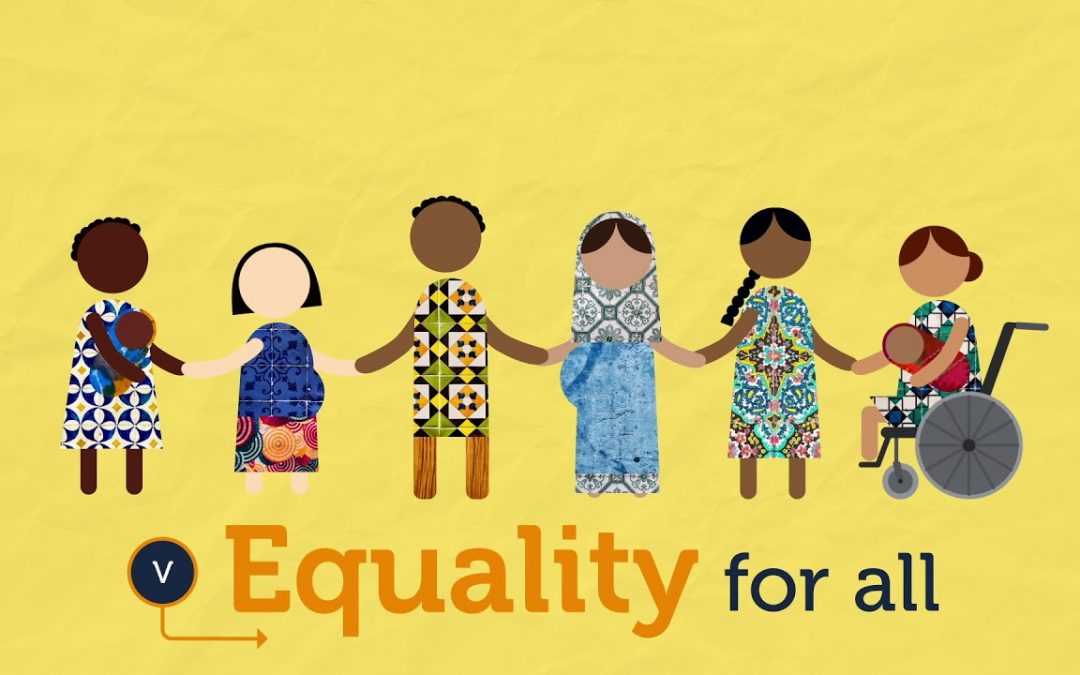
Accessing means in the context of the ideal social innovations is to give everyone access to the benefits of social innovations. The main reason for the inequality in society is not having to access the benefits of the innovations and knowledge to everyone. At present, innovations and designs are driven by the idea of making profit mainly. Therefore, people are designing artifacts or systems where they can make profit and for the people who can afford it. Innovations have no core ingredient to serve the benefits of products or services to humanity at large. The technological innovations are creating digital divides and widening the gap between haves and have-nots.
In order to give access to the benefits of social innovations or more precisely the products or services that created through the collaborative approach, we need to think of different business models that provide access to the products than ownership of the products. Every innovation or design must be accessible to everyone if it is not at the level of an individual then at the level of a group or community.
A shift has begun. Access model of business called the membership economy is accelerating. The Membership Economy is enabling all kinds of organizations to build social capital and create meaningful connections with their customers /members. Membership is timeless, important, and powerful. A membership model is a subscription model of financial arrangement with an attitude and an emotion. What makes a membership model is the attitude of the service providers and the feelings of its members, the service receivers.
Idea of providing access to all should use a membership model where the membership could be at the individual level or at the group level membership.
There is another type of business model is emerging called the sharing economy. The sharing economy is a business model based on sharing (or renting) assets not currently being used—a car, a spare bedroom, a vacation home. The idea of sharing is not new, but the term “Sharing economy” is a relatively new term and is very trendy. They’re based on the principle that there is stored value in expensive assets and by making them available to others when we don’t use them, we can unlock that value. It’s a sustainable economic system built around peer-to-peer sharing of underutilized assets. Examples include Airbnb, RelayRides, and Napster.
The ownership or capitalist economy is based on the notion of scarcity. Modernity defines itself as a “culture of scarcity” of there never being enough goods and information. The assumption of “eternal shortage” in this modern world creates new needs and consumptions for consumers. Co-consumption, which is what most activities in the “sharing economy” boil down to, is presented as a more rational, utilitarian strategy because it allows more people to consume more with less resources. Thereby kindling the idea that the scarcity problem could be solved once and for all.
Sharing makes the most sense in areas where the assets are expensive, varied, and underutilized. Vacation homes, cars, collections of content, and special-occasion clothing are all assets that are generally underutilized and are, not surprisingly, some of the early successes of the sharing economy.
Many of the most successful sharing economy businesses depend on the Membership Economy. A feeling of membership infrastructure is needed so that people can extend trust beyond the people in their physical communities. In this view the sharing economy is a subset of the Membership Economy.
A Membership Economy organization is any enterprise in which members have an ongoing and formal stake in the organization. The stake could be a subscription, as with Netflix or SurveyMonkey, or a user ID like Facebook, or a membership card like Gold’s Gym. In all cases, members understand that the relationship is ongoing, not simply a transaction. Until the member cancels, the first transaction lasts forever.
And ideally members are given the opportunity to engage not only with the organization but with one another. This means that the community as a whole benefits from the thoughts, experiences, and opinions of each member. While not all memberships include elements of community, many get big benefits from them.
Membership Economy organizations enjoy competitive advantages. Their members tend to be loyal and are likely to engage in recruiting other members. In addition, member feedback and the ongoing behavioral data members generate enable Membership Economy organizations to really understand what their members want. The closer they are to their customers, the better able they are to fend off competitive threats. If they stay locked in transactional relationships, they are vulnerable because it is more difficult to build an ongoing relationship. Members enjoy convenience, access, and flexibility.
Ideal social innovations should focus on building a business model of membership and allowing everyone in the society to get access to the benefits of the social innovations at the individual level or the community level or at least on-demand basis to all.