About

Mission and Objectives

The mission of iTogether is to build social innovations and support social entrepreneurs through a trusted collaborative approach to produce breakthrough sustainable results; enhance social capacity and capital, and deliver socio-economic benefit to all.

The broad objective of iTogether is to develop and provide services in utilizing information technologies as a core for social innovations and a vehicle for people empowerment, social entrepreneurship and economic development. 

Specific Objectives are

 – Support collaborative and learning platforms for creating awareness of emerging technologies; identifying IT-enabled services; developing skilled human resources; and promoting social entrepreneurship. 

 – Develop and support platform-based service model for generating income and sustainability; and supporting social entrepreneurs;

 – Identifying, developing and supporting social entrepreneurs through resources, networks and training 

collaboration-design
tariq_alam

Who We Are

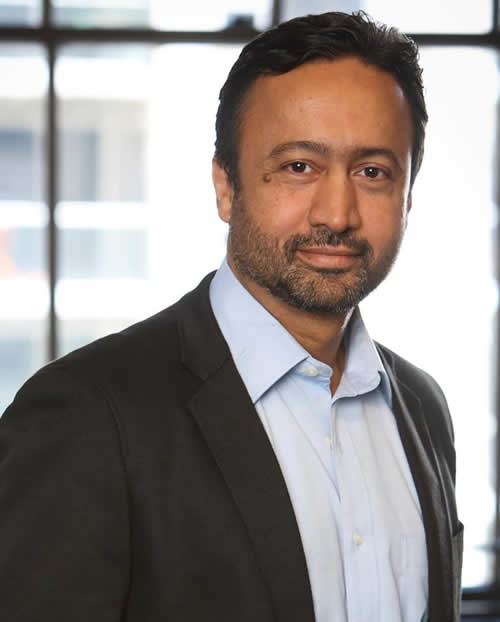
Tariq Alam is a co-founder of iTogether. He is a Social Technology Strategist, very keen to learn and apply emerging technologies for delivering socio-economic benefits to all. His core focus is to design social business projects in utilizing information technologies as a core for social innovations and a vehicle for social entrepreneurship and economic development.

Tariq holds a Master’s degree in Information Management from the University of Washington, also working as a Business Intelligence Consultant.  He is an experienced analytical professional with a core focus on discovering actionable insights and telling stories using visual presentation and dashboards.

In 2003, he formed a company called Digital Equality Network (DEN) with the aim to bridge the digital divide. He started his IT career by establishing a rural ICT center, a Grameen Bank project, at Madhupur, Bangladesh in 1998.

Past Initiatives

Village Computer and Internet Program

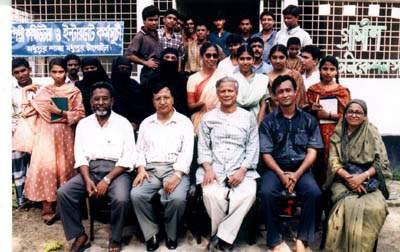
It was 1998 when IDRC (International Development Research Centre), Canada joined with Grameen Communications, a Grameen Bank sister concern, to spread the benefit of IT to rural Bangladesh. Professor Muhammad Yunus, Nobel Laureates, founder of Grameen Bank and chairman of Grameen Communications was envisioning that information and communication technology (ICT) has potential to significantly improve the life of the poor people. Grameen Communications forms a project called Village Computer and Internet Program (VCIP) in partnership with IDRC Canada. The aim of VCIP was to establish rural telecentres (ICT center) and deliver information and ICT enabled services to rural people. Tariq was the Project Manager of VCIP project. Grameen took the initiative to setup telecentres in rural Bangladesh and I started designing and delivering ICT enable services for the community people.

dr-yunus-tariq-village-computer-program

Professor Yunus visiting Village Computer and Internet Program in 2000. From Right to Left – Nurjahan Begum, Tariq Alam, Professor Muhammad Yunus, Dipal Chandra Barua.

ghat-workshop
ghat-panchbibi

Global House of Advanced Technology (GHAT)

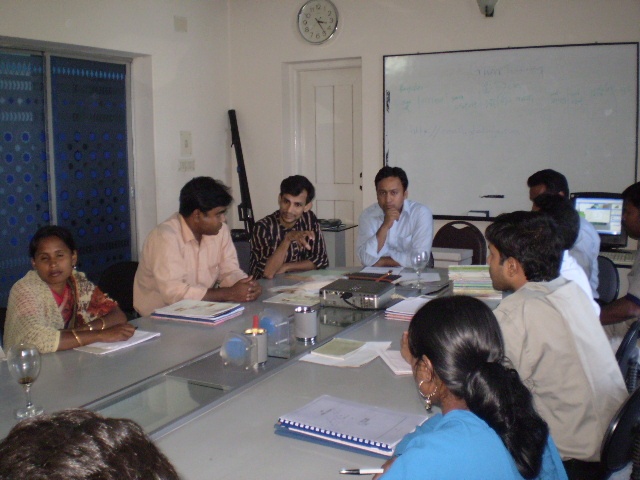
In 2003, we formed a company called Digital Equality Network (DEN) with the aim to bridge the digital divide. DEN successfully established 2 telecentres named GHAT (Global House of Advanced Technology) in 2005 for delivering ICT enabled services in a self-sustainable way. GHAT was the first telecentre model in Bangladesh which is financially self-sustain.

GHAT is a social business tele-center with the aim to provide information and IT enabled services for empowering community people, strengthening and promoting local businesses and creating information-based community. GHAT was established in 2 locations – Panchbibi and Mokamtola, Bangladesh in 2005. Later on GHAT social business model was franchised to many local entrepreneurs in Bangladesh.  GHAT services

  • – Information services – agriculture, health, market, education, government etc
  • – Cyber café
  • – Digital studio
  • – Desktop publishing
  • – Computer training